Artificial Intelligence (AI) has revolutionized the way businesses interact with customers, and AI chatbots are at the forefront of this transformation. From answering customer queries instantly to automating complex workflows, AI-powered chatbots have become an essential tool for businesses across industries. As customer expectations continue to evolve, organizations are increasingly leveraging AI chatbots to deliver faster, smarter, and more personalized experiences.
What Are AI Chatbots?
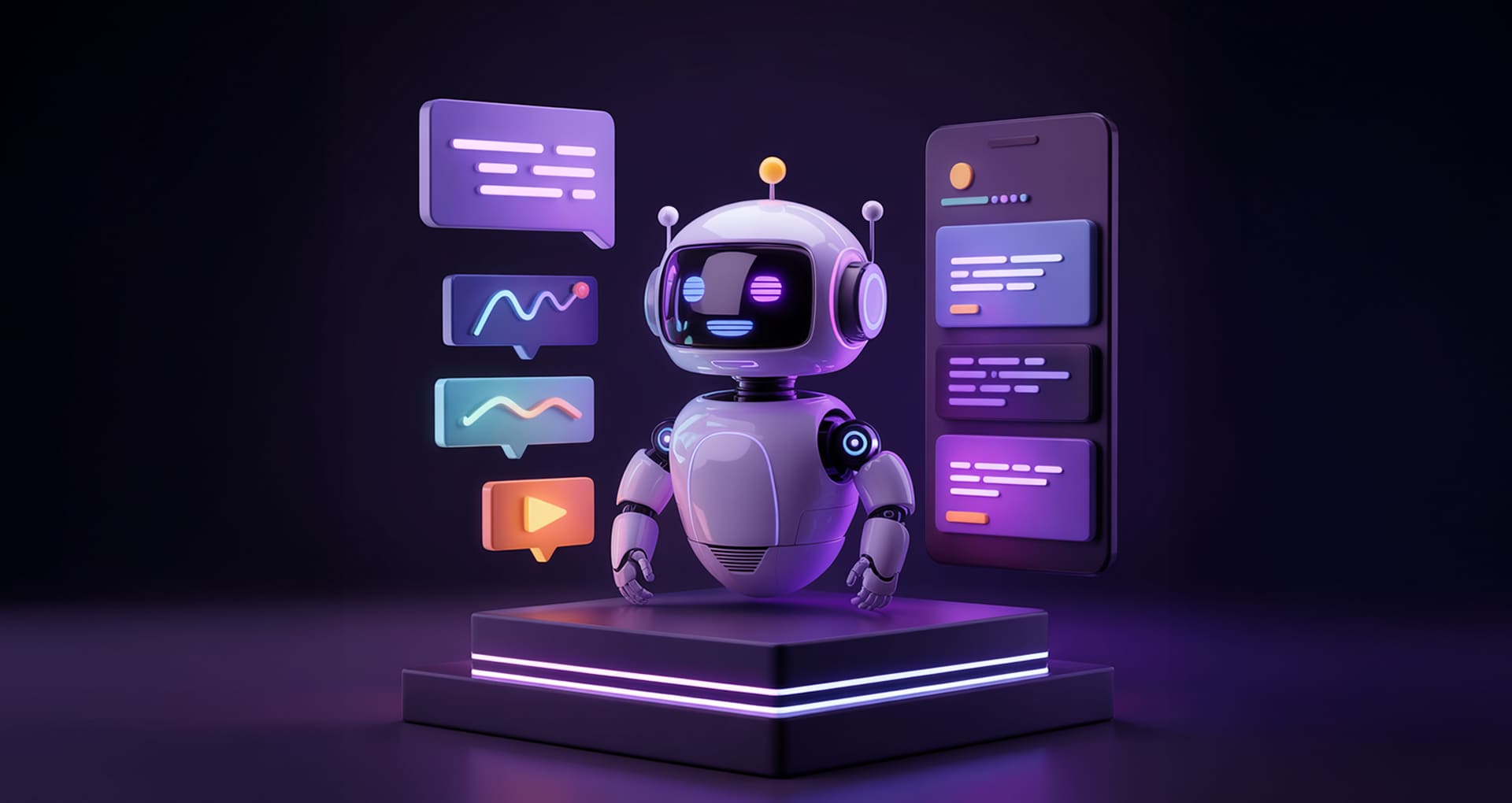
AI chatbots are software applications that use artificial intelligence, natural language processing (NLP), and machine learning to simulate human-like conversations. Unlike traditional rule-based chatbots that rely on predefined scripts, AI chatbots can understand context, interpret user intent, and provide dynamic responses.
These chatbots can interact with users through websites, mobile apps, messaging platforms, social media channels, and even voice assistants. Their ability to process and understand natural language allows them to engage in meaningful conversations and solve customer problems efficiently.
How AI Chatbots Work
AI chatbots combine several advanced technologies to function effectively:
Natural Language Processing (NLP)
NLP enables chatbots to understand human language, including slang, abbreviations, and conversational phrases. This allows users to communicate naturally without following strict commands.
Machine Learning
Machine learning helps chatbots improve over time by analyzing interactions and learning from user behavior. The more conversations they process, the more accurate and intelligent their responses become.
Intent Recognition
AI chatbots identify the purpose behind a user's message. Whether a customer wants product information, technical support, or order tracking, the chatbot can understand the request and provide relevant assistance.
Integration with Business Systems
Modern AI chatbots can integrate with CRM platforms, e-commerce systems, help desks, payment gateways, and internal databases. This allows them to access real-time information and perform tasks automatically.
Benefits of AI Chatbots for Businesses
1. 24/7 Customer Support
Customers expect instant responses regardless of the time of day. AI chatbots provide round-the-clock support, ensuring that inquiries are addressed even outside business hours.
2. Faster Response Times
AI chatbots can handle multiple conversations simultaneously, eliminating wait times and improving customer satisfaction.
3. Cost Reduction
By automating repetitive tasks and answering common questions, businesses can significantly reduce customer support costs while allowing human agents to focus on more complex issues.
4. Improved Customer Experience
AI chatbots deliver personalized recommendations, proactive assistance, and consistent responses, creating a better overall customer experience.
5. Lead Generation and Qualification
Businesses can use chatbots to engage website visitors, collect contact information, qualify leads, and guide prospects through the sales funnel.
6. Increased Productivity
Employees spend less time handling routine inquiries, allowing teams to focus on strategic and revenue-generating activities.
Common Use Cases of AI Chatbots
Customer Service
AI chatbots can answer FAQs, resolve support issues, process returns, and provide order updates without human intervention.
E-Commerce
Online retailers use chatbots to recommend products, assist with purchases, recover abandoned carts, and offer personalized shopping experiences.
Healthcare
Healthcare providers utilize AI chatbots for appointment scheduling, symptom assessment, patient engagement, and health information delivery.
Banking and Finance
Banks employ chatbots for account inquiries, transaction updates, fraud alerts, and financial guidance while maintaining high security standards.
Human Resources
HR departments use chatbots for employee onboarding, policy assistance, recruitment screening, and internal support.
Education
Educational institutions leverage AI chatbots to answer student queries, provide learning resources, and assist with admissions processes.
AI Chatbots vs Traditional Chatbots
Traditional chatbots operate based on predefined rules and decision trees. While they can handle simple queries, they often struggle when conversations deviate from expected patterns.
AI chatbots, on the other hand, are capable of understanding context, learning from interactions, and adapting to new situations. They offer more natural conversations, higher accuracy, and greater flexibility.
As a result, businesses seeking scalable and intelligent automation increasingly prefer AI-powered chatbot solutions over traditional alternatives.
The Future of AI Chatbots
The future of AI chatbots is incredibly promising. Advancements in generative AI, large language models, and conversational intelligence are enabling chatbots to become more human-like than ever before.
Future AI chatbots will be able to:
- Understand emotions and sentiment more accurately.
- Deliver highly personalized customer experiences.
- Handle complex business workflows autonomously.
- Provide multilingual support in real-time.
- Integrate seamlessly with emerging technologies and digital ecosystems.
As AI technology continues to evolve, chatbots will move beyond customer support and become strategic business assistants capable of driving growth and innovation.
Choosing the Right AI Chatbot Solution
When selecting an AI chatbot, businesses should consider factors such as:
- Natural language understanding capabilities
- Integration options with existing systems
- Customization and scalability
- Security and compliance requirements
- Analytics and reporting features
- Omnichannel support
A well-designed AI chatbot should align with business objectives while delivering measurable improvements in customer engagement and operational efficiency.